Aztec's All America City Award: The Road Built by Grit
Community spirit can move mountains. In Aztec, New Mexico, it moved enough earth to build a 19-mile highway. This is not a local legend, but a historic achievement that put a small town on the national map. In 1963, because of an unparalleled display of grit and unity, Aztec was named an All America City—an honor earned through the sweat, determination, and collaborative will of its people.
The story begins with a challenge: a new, $42 million federal project, the Navajo Dam, was rising just beyond the town's reach. This major component of the Upper Colorado River Storage Project promised immense opportunity, but Aztec lacked a direct road to get there. Faced with the choice of waiting for government funds or taking action, the community chose action. They decided to build the road themselves.
An Unprecedented Task
On January 6, 1963, dignitaries, including New Mexico Governor Jack Campbell, gathered for a festive groundbreaking. The goal was ambitious, to say the least: construct a two-lane, 19-mile highway connecting Aztec to the new dam. What made the task truly legendary was the timeline and the resources. The road was to be designed, funded, and built almost entirely by volunteers, without government support.
What followed was an extraordinary mobilization. The project became a town-wide mission, uniting residents from every walk of life. It was a testament to what can be accomplished when a community shares a single, focused goal.
A Community United
Building a modern highway is a massive undertaking. For the people of Aztec, it required a level of cooperation that became the stuff of legend. Approximately 3,000 volunteers stepped forward—nearly 75 percent of the town's population at the time. This wasn't just a handful of people; it was a movement.
- Donated Resources: Local businesses contributed heavy equipment, materials, and supplies. Cash donations were collected to fund the effort.
- Grassroots Fundraising: The fundraising efforts were as creative as they were essential. Civic groups organized rallies that echoed the war bond drives of the 1940s. Even the town's youth got involved, with schoolchildren staging plays to raise money for the road fund.
- Volunteer Labor: The most critical resource was the people themselves. Residents dedicated their free time, weekends, and energy to the physical labor of construction.
- Community Support: A dedicated committee, led by resident Bonnie Walls, ensured the workers were cared for. Come snow or shine, they served meals every single day, fueling the volunteers who were building the town's future.
In a stunning display of efficiency and resolve, the road was completed on April 21, 1963—just over three months after it began. The highway, later valued at $250,000, was a marvel of private initiative and community collaboration. The Farmington Times praised it as "a marvelous display of what can be accomplished through private initiative and resourcefulness, through voluntary cooperation of people at the grass-roots level.”
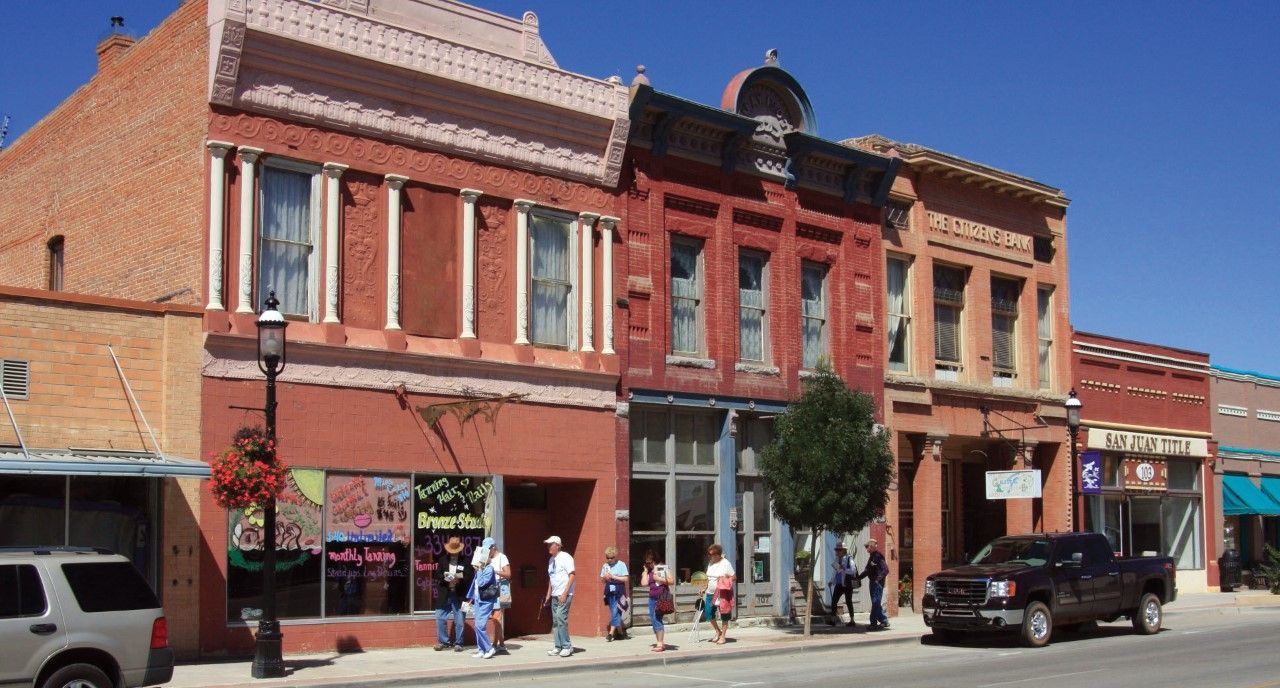
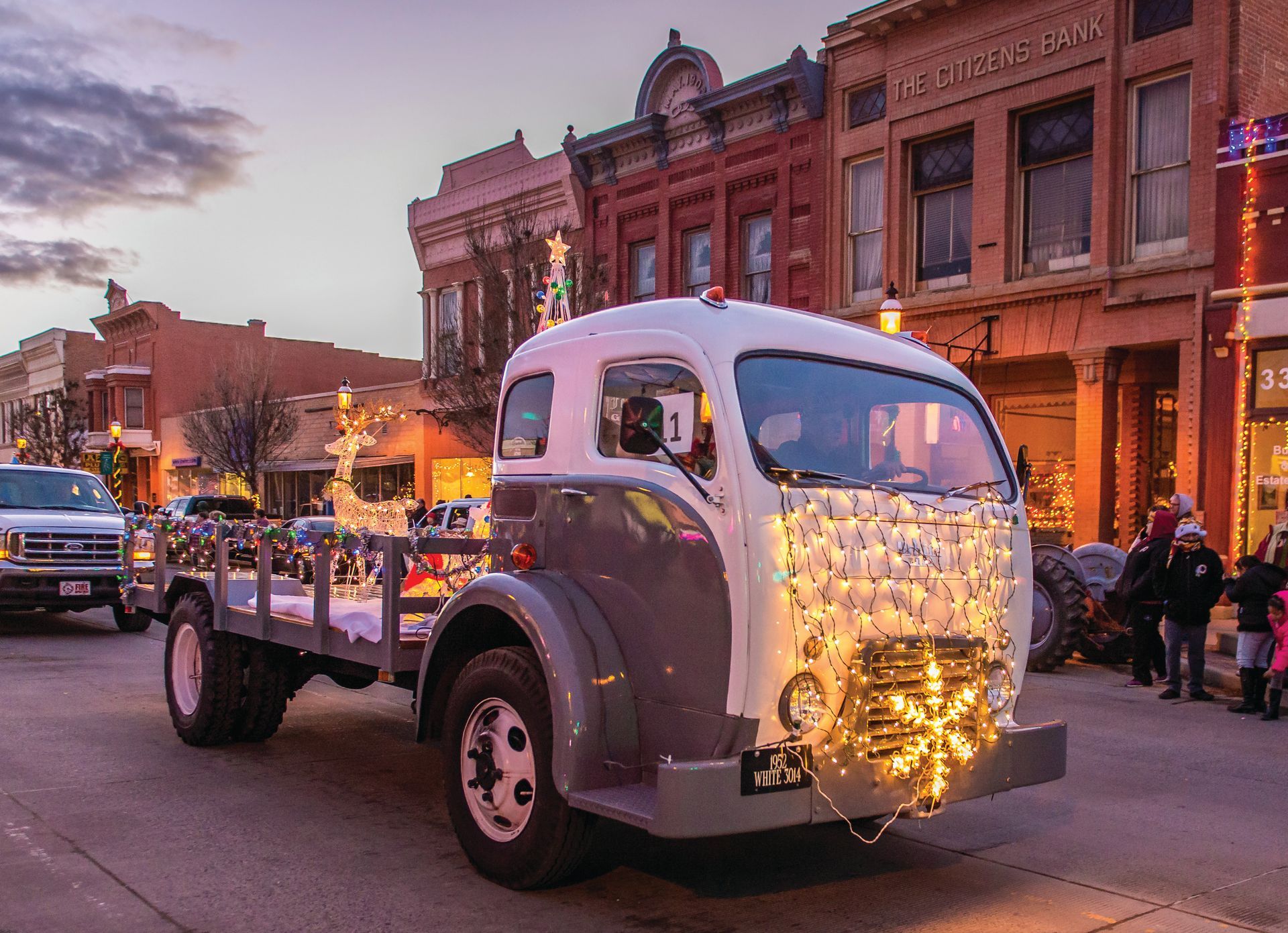
Downtown Aztec, where the spirit of community and resilience that earned the 1963 All America City Award still thrives today.
National Acclaim for a Local Triumph
The story of a small town building its own highway captured the nation's attention. The spirit of Aztec resonated far beyond New Mexico's borders.
The accomplishment was recognized by the highest offices and publications in the country:
- President Lyndon B. Johnson sent a personal cable of congratulations
- Look Magazine featured the project, sharing Aztec's story with a national audience.
- The feat was officially written into the U.S. Congressional Record.
The ultimate honor came from the National Civic League, which designated Aztec as one of only 11 communities in 1963 to receive the prestigious All America City Award. This award celebrates communities that tackle challenges through civic engagement and innovation. Aztec had not only met the criteria—they had paved the way.
A Lasting Legacy: The Gateway to Adventure
The visionaries of 1963 saw more than just a road to a dam. They saw a gateway to recreation and prosperity. Today, Navajo Dam Road (State Road 173) is exactly that, serving as a vital artery for tourism and outdoor adventure in the Four Corners region.
Thanks to the efforts of those volunteers, millions of visitors have gained easy access to:
- Navajo Lake State Park: Home to New Mexico's second-largest lake, the park is a premier destination for boating, fishing, camping, and water sports.
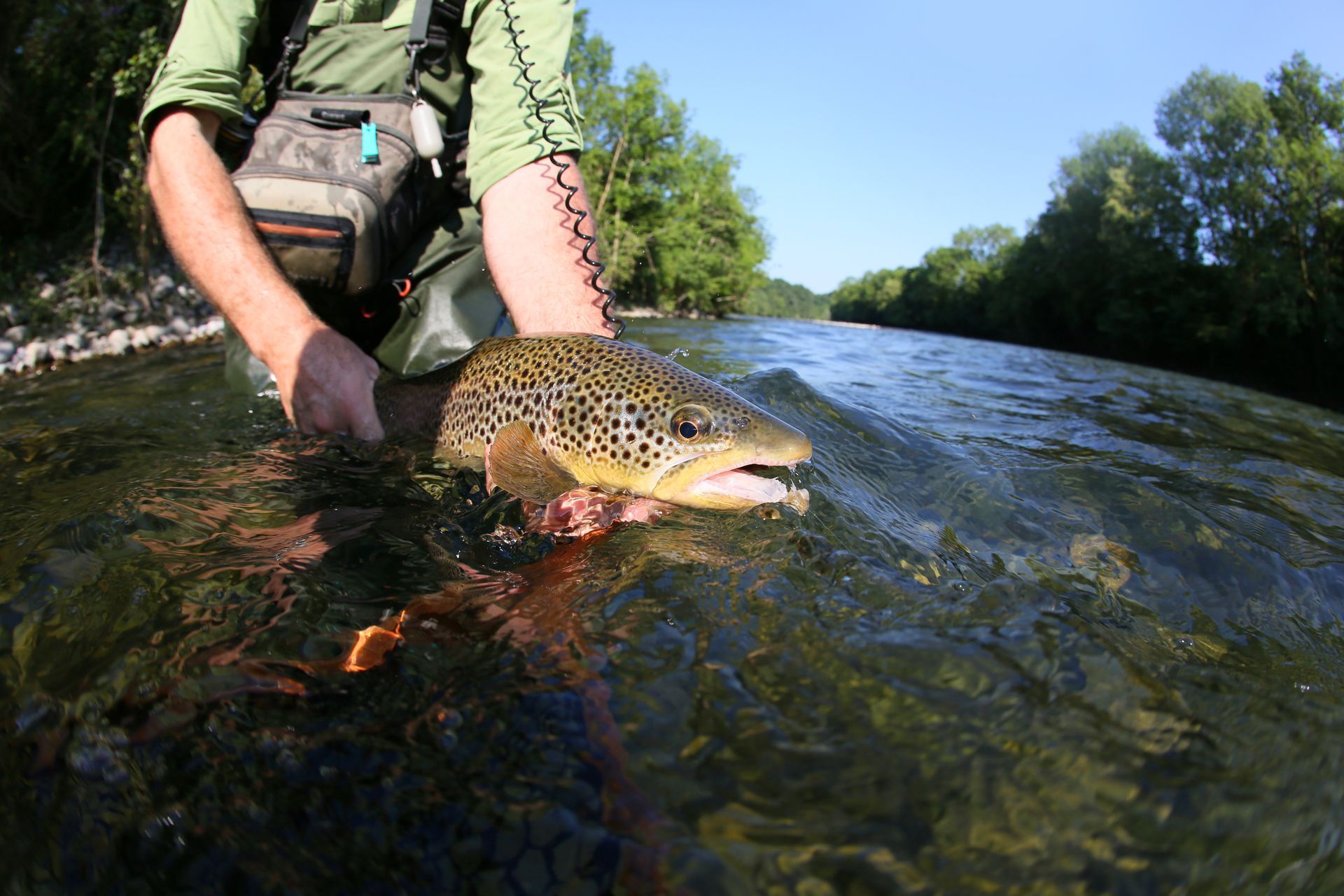
- The San Juan River: The road leads anglers to the world-renowned "Quality Waters" of the lower San Juan River, a U.S. Top 10 fly-fishing destination.
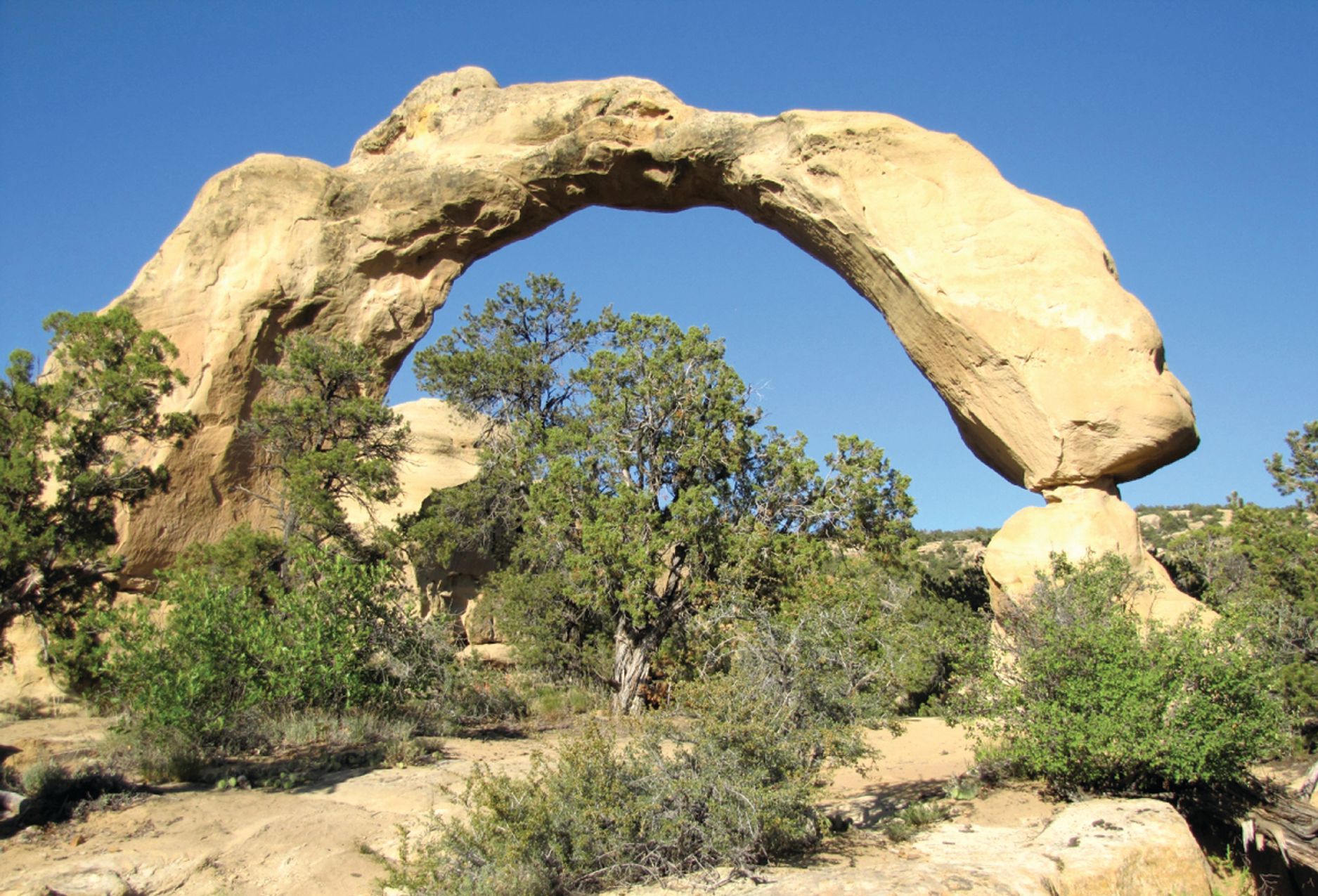
- Natural and Cultural Wonders: The route opens up a landscape of panoramic high-desert scenery, ancestral Puebloan ruins, and hundreds of natural sandstone arches.
More Than Just a Road
The All America City Award is more than a historical footnote for Aztec; it is a core part of its identity. It represents a legacy of self-reliance, determination, and the powerful bond of community. The 19-mile stretch of pavement is a constant reminder that when people come together, they can achieve the extraordinary.
The next time you travel down that road toward the waters of Navajo Lake, remember the 3,000 volunteers who built it. It stands as a monument to true grit and a testament to the enduring spirit of Aztec, New Mexico.